
What to Expect After Your Solar Installation
Congratulations! Your solar panels have been installed, and you’re one step closer to enjoying clean, renewable energy. While the installation is complete, there are still a few important milestones before your system is fully operational and delivering maximum savings.
Understanding what happens after installation can help you know what to expect and ensure you’re ready to make the most of your new solar energy system.
1. Final Inspection
After your solar system has been installed, it must pass a final inspection by your local building department or Authority Having Jurisdiction (AHJ).
During the inspection, officials verify that:
- The installation meets local building and electrical codes
- Equipment has been installed correctly
- Wiring is safe and compliant
- Required disconnects and safety devices are in place
- The system matches the approved plans
Once the inspection is approved, the project moves to the next step.
2. Utility Approval and Permission to Operate (PTO)
After the inspection passes, your utility company reviews the project and completes the final interconnection process.
When everything has been approved, the utility issues Permission to Operate (PTO).
PTO is the official authorization that allows your solar system to generate electricity and export excess power to the electric grid. Your installer will let you know when your system is ready to be turned on.
3. System Activation
Once PTO has been received, your installer will activate the system and verify that all equipment is functioning correctly.
During activation, they may:
- Confirm the inverter is operating properly
- Verify communication with the monitoring platform
- Check system production
- Review safety procedures
- Show you how to monitor your system
From this point forward, your home begins producing clean solar energy.
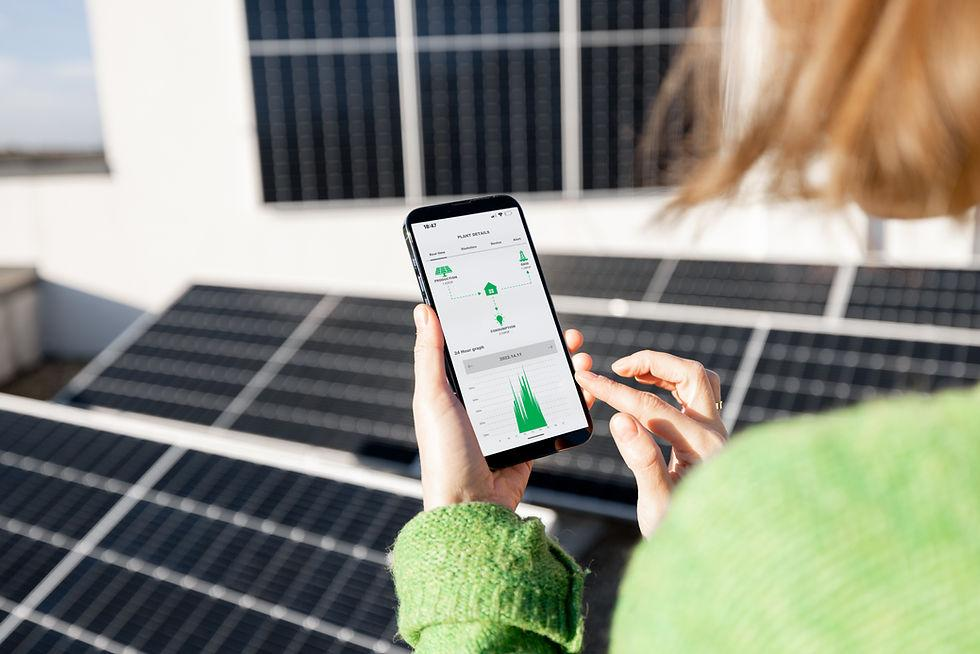
4. Learn Your Monitoring App
Most modern solar systems include online or mobile monitoring tools that let you track your system’s performance in real time.
Your monitoring platform may display:
- Current power production
- Daily energy generation
- Monthly and yearly production
- Lifetime energy production
- System status
- Alerts if the system needs attention
Checking your monitoring app occasionally is a great way to ensure your system continues operating as expected.
5. Your Electric Bill May Look Different
One of the most common questions new solar owners ask is, “Why am I still receiving an electric bill?”
Even with solar, your utility bill may still include:
- Basic customer service charges
- Grid connection fees
- Electricity used when solar production is low
- Seasonal variations in energy use
If your utility offers net metering, credits for excess electricity sent to the grid may appear on future bills, depending on your billing cycle and utility program.
6. Seasonal Production Is Normal
Solar systems naturally produce different amounts of electricity throughout the year.
Production is typically higher during:
- Longer summer days
- Clear, sunny weather
Production may be lower during:
- Winter months
- Extended cloudy periods
- Snow-covered panels (where applicable)
These seasonal changes are expected and are considered during system design.
7. Solar Panels Require Very Little Maintenance
One of the biggest advantages of solar energy is its low maintenance requirements.
To help keep your system performing well:
- Visually inspect panels from the ground occasionally
- Remove debris if it can be done safely
- Monitor your production through the app
- Schedule service if you receive system alerts
Most systems are designed to operate for decades with minimal maintenance.
8. Keep Trees and Landscaping in Check
As trees grow, they may begin shading your solar panels and reduce energy production.
Periodically trimming vegetation around your home can help maximize sunlight exposure and maintain system performance.
9. Know When to Call Your Solar Provider
Contact your installer if you notice:
- Error messages on the inverter
- Unexpected drops in production
- Monitoring system offline
- Physical damage after severe weather
- Water intrusion around roof penetrations
- Any concerns about system performance
Addressing small issues early can help prevent larger problems.
10. Enjoy Long-Term Savings
Once your system is operating, you’ll begin experiencing the benefits that made solar a worthwhile investment.
These include:
- Lower monthly electricity bills
- Protection from rising energy costs
- Reduced carbon emissions
- Increased home value
- Greater energy independence
- Clean, renewable energy for decades
Many homeowners continue benefiting from their systems for 25 years or longer.
Frequently Asked Questions
How soon will I see savings?
Most homeowners begin seeing savings on their first utility bill after their system receives Permission to Operate (PTO), though the amount depends on energy use, utility rates, and billing cycles.
Should I clean my solar panels?
Rain often removes much of the dirt and dust. If panels become heavily soiled, cleaning may improve performance, but always follow the manufacturer’s recommendations and use safe cleaning methods.
What if my monitoring app shows low production?
Production naturally varies with weather and seasons. If you notice a sudden or sustained drop that doesn’t match weather conditions, contact your solar provider for assistance.
Will my system work during a power outage?
Most grid-connected solar systems automatically shut down during an outage to protect utility workers. If your system includes battery storage and backup capabilities, it may continue powering selected circuits depending on its design.
Make the Most of Your Solar Investment
Your solar installation is the beginning of a long-term investment in your home and the environment. By understanding how your system operates, monitoring its performance, and keeping up with basic maintenance, you can enjoy reliable clean energy and significant savings for years to come.
If you ever have questions about your system, don’t hesitate to reach out to your solar installer. A trusted provider will be there to support you long after installation day.