
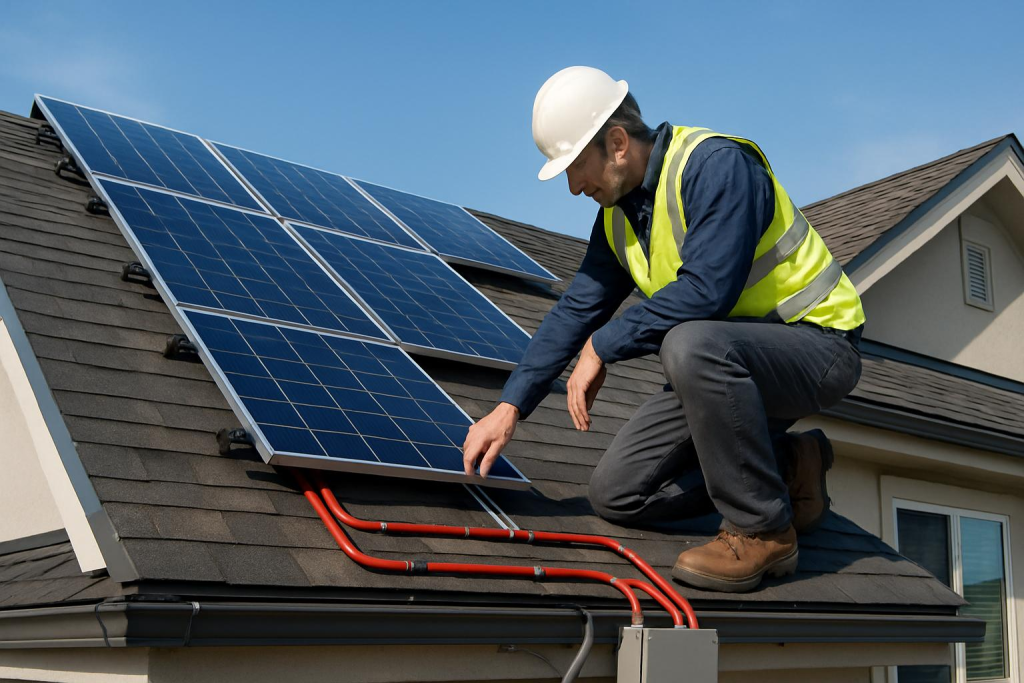
Things to Know Before Going Solar: A Complete Homeowner’s Guide
Meta Title: Things to Know Before Going Solar | Solar Buying Guide
Meta Description: Learn what every homeowner should know before installing solar panels, including roof condition, energy usage, financing options, incentives, warranties, and choosing the right solar installer.
Things to Know Before Going Solar
Installing a solar energy system is one of the best investments you can make for your home. It can reduce your monthly electricity bills, increase your home’s value, and help protect the environment. However, going solar is a long-term decision, and understanding the process before you sign a contract can help you maximize your investment.
Here’s what every homeowner should know before making the switch to solar energy.
1. Understand Your Energy Usage
Before choosing a solar system, review your electricity usage over the past 12 months.
Knowing your annual energy consumption helps determine:
- The right system size
- Estimated monthly savings
- Expected energy production
- Whether battery storage may benefit your home
Your electric bill is one of the most valuable tools for designing an efficient solar system.
2. Evaluate Your Roof
Not every roof is the same.
A professional solar assessment will examine:
- Roof age and condition
- Roof orientation
- Roof pitch
- Available installation space
- Shade from trees or nearby buildings
South-facing roofs typically receive the most sunlight, but east- and west-facing roofs can also perform well depending on your location.
If your roof is nearing the end of its lifespan, replacing it before installing solar panels may save time and money in the future.
3. Choose the Right Solar Equipment
The quality of your equipment plays a major role in your system’s long-term performance.
Key components include:
- High-efficiency solar panels
- Reliable inverters
- Monitoring software
- Optional battery storage
- Mounting hardware designed for your roof type
Ask your installer about equipment warranties, expected lifespan, and manufacturer support.
4. Learn About Solar Incentives
Federal, state, and local incentives may significantly reduce the cost of installing a solar system.
Depending on where you live, you may qualify for:
- Federal tax credits
- State incentives
- Utility rebates
- Net metering programs
- Renewable energy credit programs
Understanding available incentives can improve your overall return on investment.
5. Understand Financing Options
Today’s homeowners have several ways to pay for solar.
Common options include:
- Cash purchase
- Solar loans
- Solar leases
- Power Purchase Agreements (PPAs)
Each option has different costs, ownership benefits, and long-term savings. Ask your installer to explain the advantages and trade-offs of each financing method.
6. Know What Your Warranty Covers
A solar system is designed to last for decades, making warranties an important part of your investment.
Ask about:
- Solar panel performance warranty
- Equipment warranty
- Inverter warranty
- Installation workmanship warranty
- Roof penetration warranty
Understanding what’s covered can provide peace of mind for years to come.
7. Choose an Experienced Solar Installer
Not all solar companies provide the same level of service.
Look for an installer that offers:
- Professional site evaluations
- Quality equipment
- Transparent pricing
- Strong customer reviews
- Ongoing monitoring and support
- Responsive customer service
A reputable installer will take time to answer your questions and explain the entire process.
8. Think Beyond Installation
Installing solar is only the beginning.
Many homeowners also benefit from:
- Battery backup systems
- Electric vehicle (EV) charging
- Smart home energy management
- Real-time production monitoring
Planning for future energy needs can help you get even more value from your solar investment.
9. Maintenance Is Simple
One of the biggest advantages of solar energy is its low maintenance requirements.
Most systems only require:
- Occasional visual inspections
- Keeping panels reasonably clean
- Monitoring system performance
- Prompt attention to any system alerts
Routine monitoring helps ensure your system continues producing electricity efficiently year after year.
10. Ask Plenty of Questions
Before signing any agreement, make sure you understand:
- Expected annual energy production
- Estimated savings
- Installation timeline
- Permitting process
- Utility interconnection
- Warranty details
- Service and support after installation
A knowledgeable installer should be happy to explain every step of the process.
Final Thoughts
Going solar is more than purchasing solar panels—it’s an investment in your home’s future. By understanding your energy needs, evaluating your roof, selecting quality equipment, and working with a trusted installer, you can enjoy decades of clean, renewable energy and lower electricity costs.
The more informed you are before installation, the more confident you’ll be in your decision to power your home with solar.
Frequently Asked Questions (FAQ)
How long do solar panels last?
Most high-quality solar panels are designed to produce electricity for 25–30 years or more, with gradual decreases in output over time.
Will solar panels eliminate my electric bill?
It depends on your energy usage, system size, local utility rates, and net metering policies. Many homeowners significantly reduce their bills, though some still have a small monthly utility charge.
Do solar panels work on cloudy days?
Yes. Solar panels continue to generate electricity in cloudy weather, although production is lower than on bright, sunny days.
Is battery storage required?
No. Battery storage is optional but can provide backup power during outages and allow you to use more of the energy your system produces.